Whether you’re new on the jobsite or trying to elevate your building envelope education, going back to basics can help you build more durable wall systems. Here are a few of the most common questions about choosing and installing housewraps for high-performance wall systems.
Q: What does housewrap do?
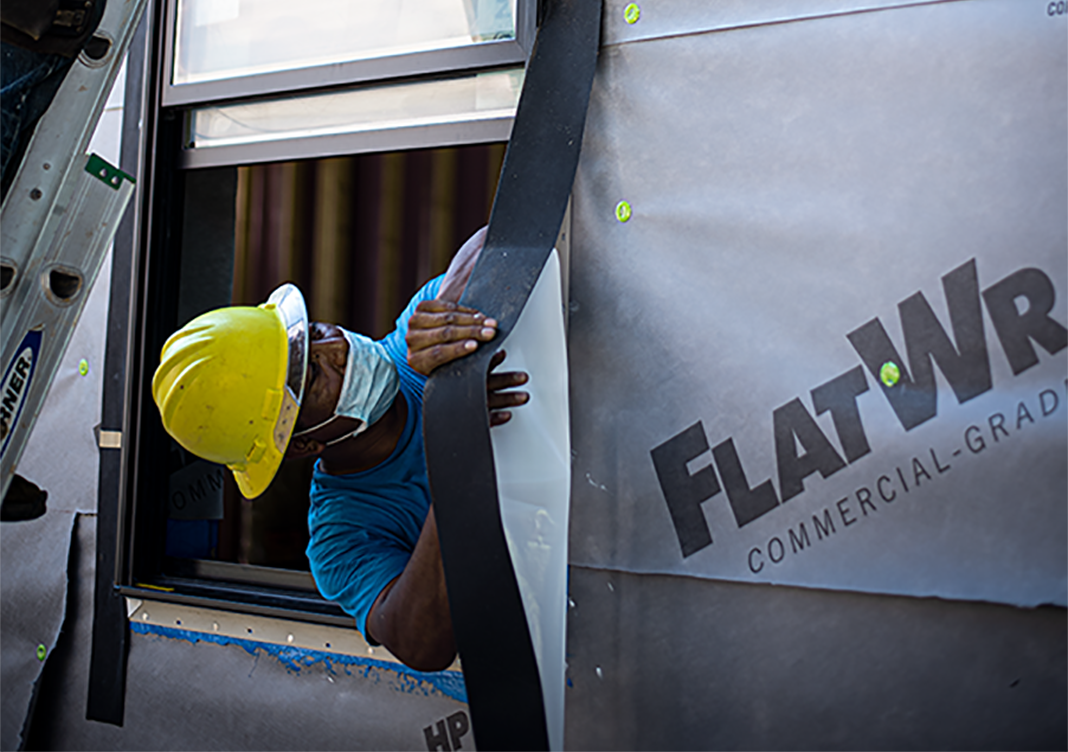
A: Housewrap, a type of weather-resistive or water-resistive barrier (WRB), is a synthetic sheeting installed between the exterior cladding and the wall sheathing to protect against moisture infiltration.
In addition to resisting initial moisture infiltration, housewraps also help remove trapped moisture from the building enclosure; housewraps provide a vapor-permeable layer that resists liquid water from the outside while also allowing water vapor to escape the assembly, enabling the wall to “breathe.” Helping the wall cavity stay drier is critical to preventing long-term durability issues in the building envelope and structure. To learn more, download our Understanding Housewraps White Paper.
Q: Why do I need housewrap?
A: Housewrap helps with moisture management in the wall system, helping control how water enters, drains, and dries within a wall assembly. This is an essential component of the building envelope; effective moisture management can help reduce the risk of rot, mold, material degradation, and other moisture-related performance issues, therefore increasing the lifespan of building materials.
Q: What do you attach housewrap with?
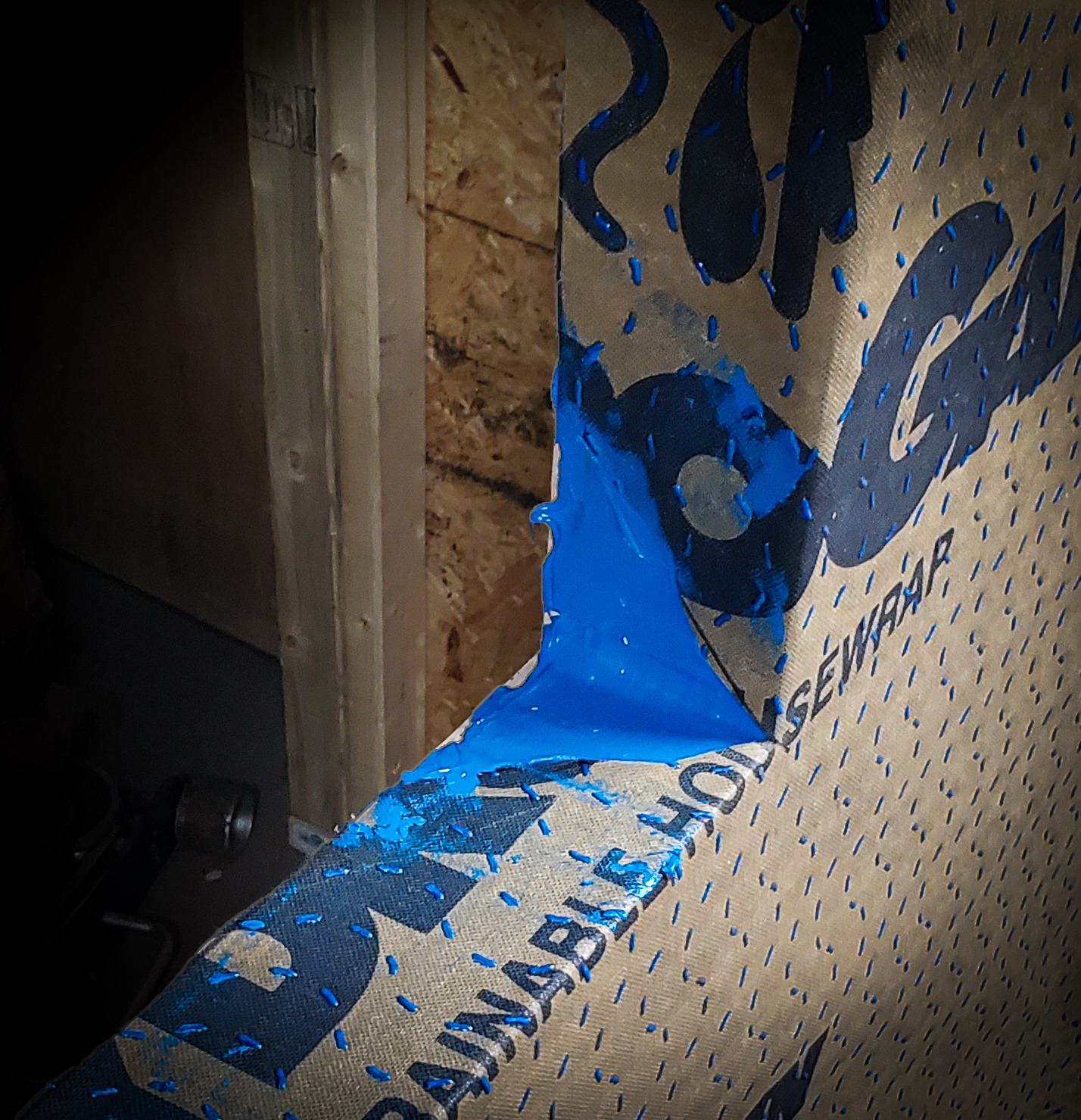
A: Housewrap comes in two formats: mechanically installed and self-adhered. Mechanically installed housewraps are fastened with cap nails or staples. Cap staples provide a larger point of contact for better hold and protection of the staple penetration, and fewer staples will be needed across the wall. Self-adhered housewraps like BenWrap SA have an adhesive layer that sticks to the wall sheathing, usually with a peel-and-stick setup, so no fasteners are required for attachment.
Q: Should I use a self-adhered housewrap or a mechanically fastened housewrap?
A: Self-adhered housewraps and mechanically fastened housewraps both provide a layer of moisture control for the wall system, helping to prevent moisture from entering the wall cavity.
Mechanically fastened housewraps are installed with staples or cap nails. Self-adhered housewraps with a layer of acrylic adhesive on the back, such as BenWrap SA and HydroGap SA, provide several additional benefits:
- They eliminate the need for fasteners; installers roll out the housewrap, reposition as needed, then apply pressure to fully activate the bond.
- The adhesive self-seals around cladding fasteners, allowing the housewrap to function not just as a moisture control layer but also as an air control layer. Learn more about the differences.
Q: How long can I leave housewrap exposed before installing cladding?
A: Always check with your housewrap manufacturer, but typical exposure allowance for housewrap is three to four months. Our HydroGap, HydroGap SA, BenWrap, and BenWrap SA WRBs offer a max UV exposure of four months. For projects needing a longer exposure time, such as for multifamily projects, or for open-joint cladding, our InvisiWrap and InvisiWrap SA offer 12 months UV exposure time.
Q: What is a drainable housewrap?
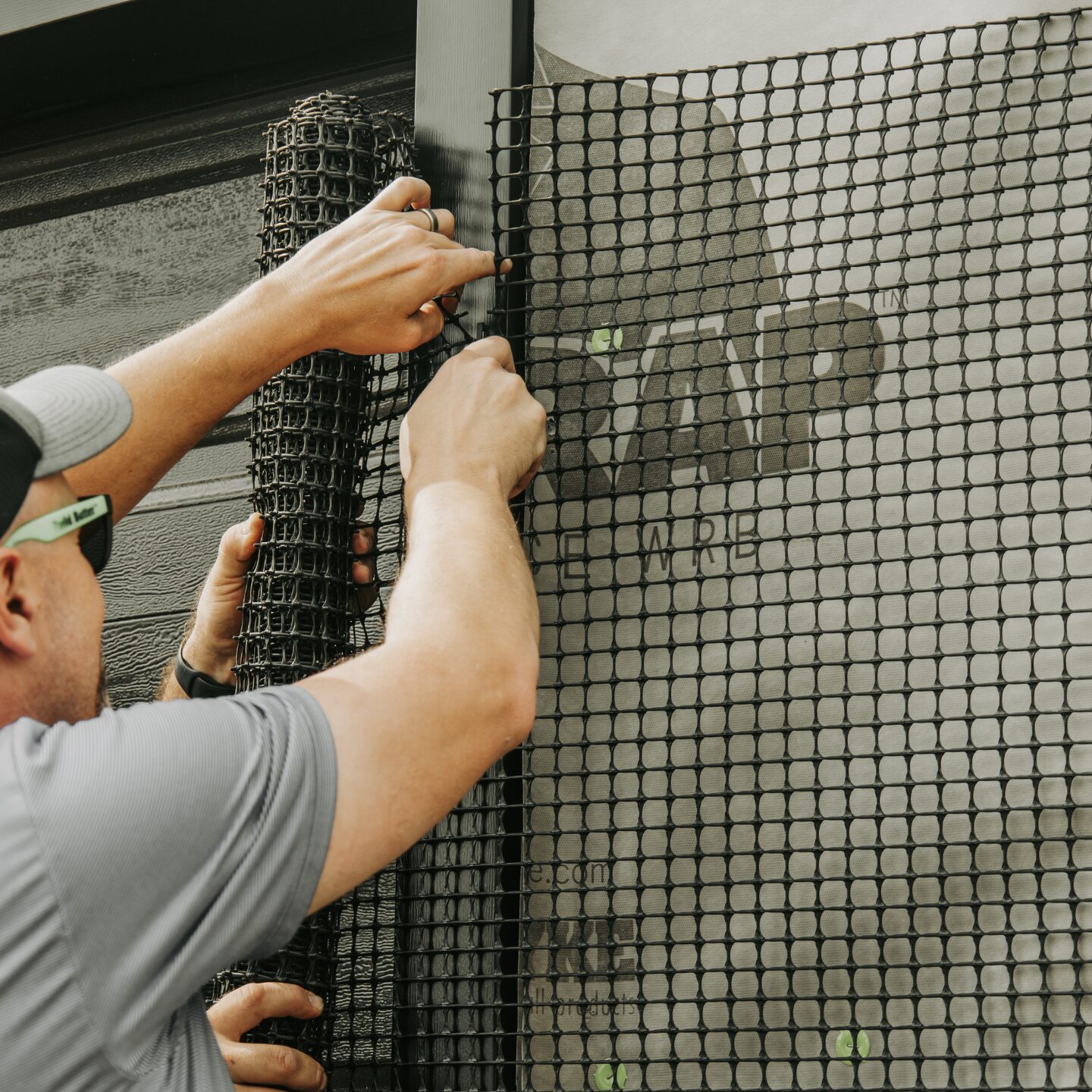
A: A drainable housewrap combines a weather-resistive barrier with a built-in drainage gap to facilitate water removal from behind exterior siding. Unlike traditional flat housewraps, drainable housewraps like HydroGap provide a continuous capillary break. This space allows bulk water to escape quickly from the wall system, significantly reducing the risk of moisture-related damage. Learn more about drainable housewraps.

HydroGap Drainable Housewrap Samples
GET YOUR FREE SAMPLES TODAY OF HYDROGAP DRAINABLE HOUSEWRAP
Q: Do I need drainage between the siding and housewrap?
A: No matter the project, keeping the wall system dry is crucial. This is achieved with a systems approach — the incorporation of products, design strategies, and installation practices that block moisture and give it a path to drain and dry away.
Choosing a drainage approach will depend on a number of factors, including cladding type, climate, and budget. First and foremost, follow the cladding manufacturer’s requirements and recommendations. In general, wood cladding, because it easily absorbs moisture, will need a rainscreen. Vinyl siding is water-resistant and does not sit flush with the wall, so it may only need a flat housewrap. Metal siding attracts a lot of heat, so it should be installed with a drainable housewrap system. Finally, brick, stone, and stucco are all absorptive materials, just like wood, so they will need ample space behind them; a rainscreen like Slicker Max is an option for these applications.
Q: What vapor perm rating do I need for my housewrap?
A: Vapor permeability is an important consideration when choosing housewrap. If water vapor escapes the conditioned space or liquid water gets behind the housewrap, the permeability of the housewrap helps protect the sheathing by allowing water vapor to escape through the exterior of the housewrap.
Unfortunately, there’s no one answer for what the preferred vapor permeability of an envelope should be, and it’s not code-prescribed from a whole-envelope perspective. Many factors come into play, particularly climate and how the whole wall works together as a system. For the entire wall envelope, the general guideline is for the assembly to be vapor open. For the housewrap, the sweet spot is between 10 to 20 perms for the ideal balance; this will allow for drying while regulating exterior vapor pressure. Read our guide to vapor perms.
Q: Does housewrap go over or under foam board insulation?
A: If installing continuous insulation on the exterior, any of Benjamin Obdyke’s weather-resistive barriers can be effectively installed either behind or over exterior insulation, depending on the desired location of the control layer.
Have more questions? Check out our FAQs or visit our Support page for more resources.