Though the new year is dawning with some ongoing uncertainty for builders and remodelers around issues like the housing market and labor, the commitment to building high-quality homes remains undeterred across the supply chain. Here’s a look at some of the factors influencing the design and construction of the building envelope—and how to navigate changes.
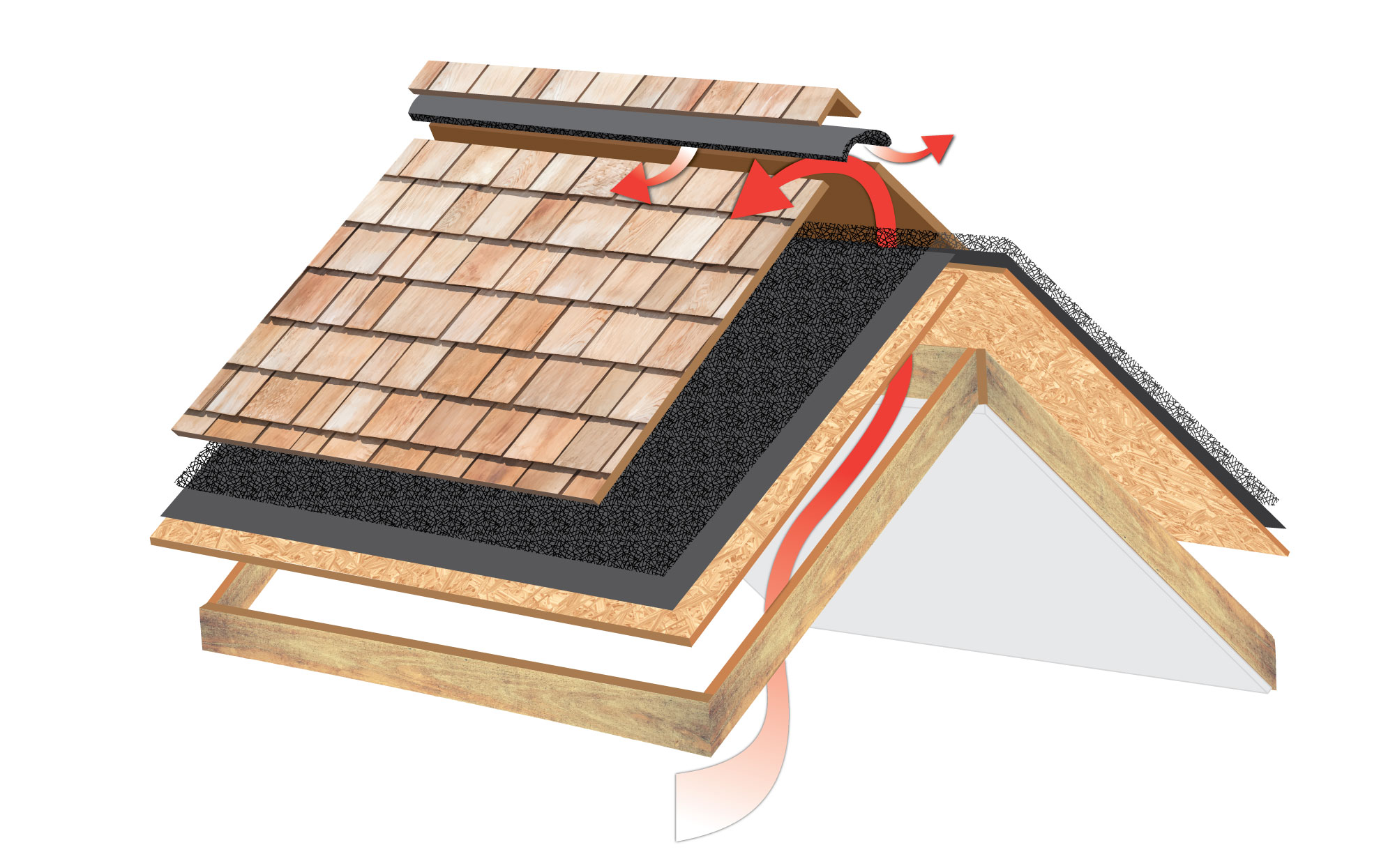
- Energy Efficiency—Without Doing Harm: The industry has made significant strides in increasing home efficiency, particularly by making the building envelope tighter. But those steps can also introduce other issues that must be addressed. For example, conditioned attics can lead to trapped moisture in the roof system if a traditional vapor-closed underlayment is used. Tighter wall systems also must consider the vapor permeability of the envelope layers to ensure moisture can move properly in and out.
- A Systems Approach: More building pros are recognizing that a critical step to avoiding issues that have plagued the envelope in the past is to take a systems-based approach, one that considers how all of the elements in the building envelope work together and impact each other. Transitions between layers, material compatibility, installation methods, and other factors all play a role. By considering the entire envelope assembly, you can get a clearer view into which components maintain continuity as the moisture and air control layers, identify problem areas and interruptions to the control layers, and help ensure communication and transparency across teams. (Learn how to take a systems approach.)
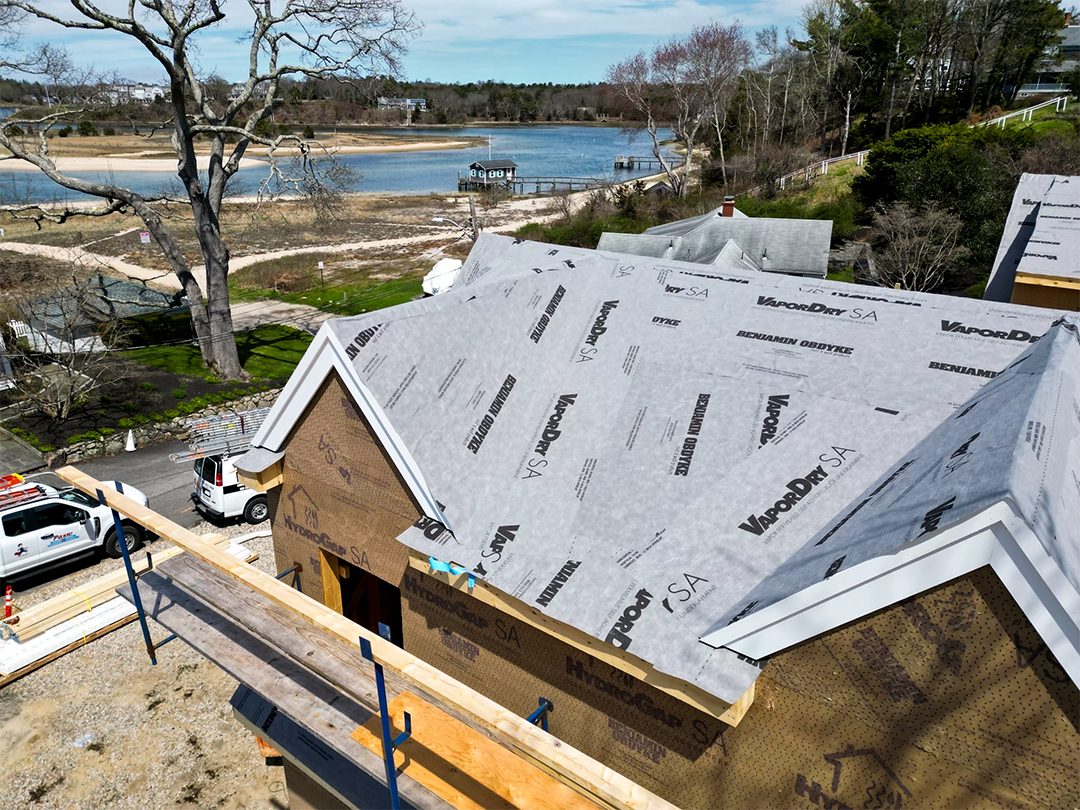
- Resilience Is Top of Mind: From wildfires to extreme weather, homes are taking a beating, and homeowners (and, often, their insurance providers) are seeking more robust solutions. Creating a weather-tight envelope with careful attention to proper moisture drainage is more critical than ever. And if you’re moving toward more fire-resistant cladding or roofing materials, be sure to adjust your envelope strategy accordingly to meet requirements for the weather resistant barriers and rainscreens underneath. In addition, consider that a self-adhered weather resistive barrier and underlayment can provide some added peace of mind if siding and shingles are blown off in a storm.
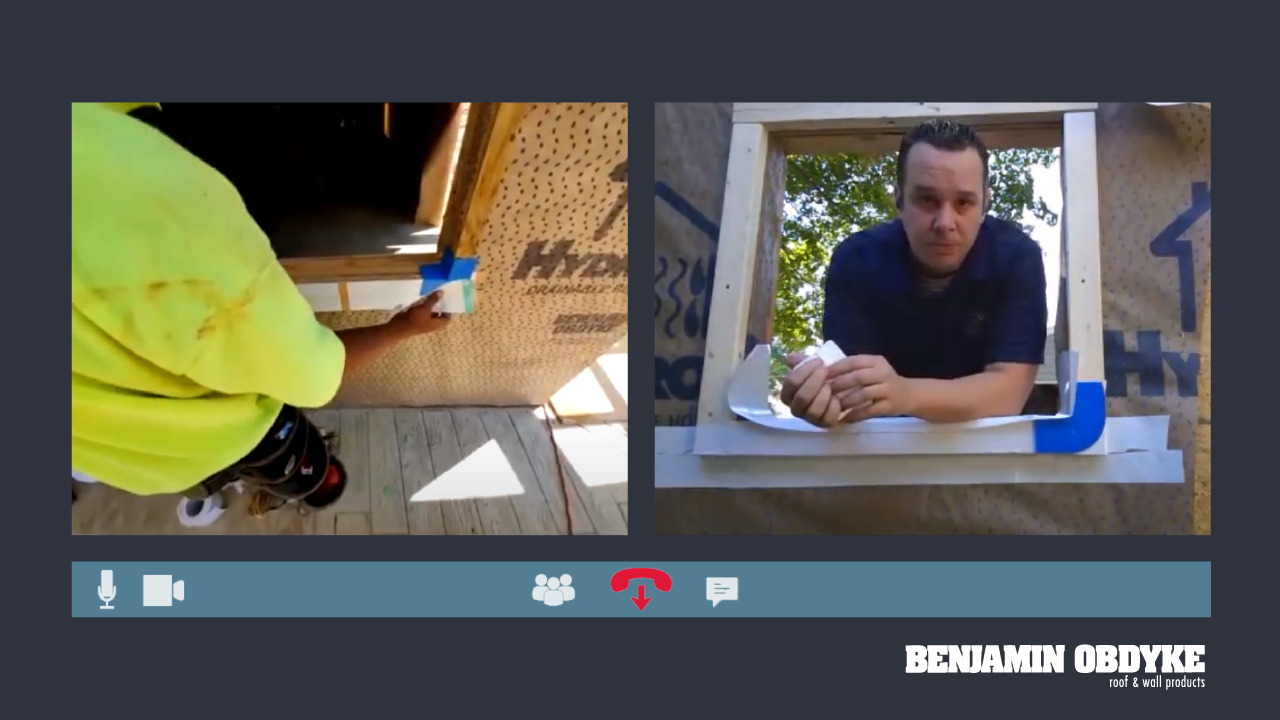
- Window Changes Call for New Flashing Approaches: Pros are increasingly opting for non-flanged and non-integral-flanged windows, which require a different approach to flashing than installers may be used to. Liquid-applied flashing is an ideal option for these windows (see specialty window approaches here).
- Multi-Textured Facades: Building pros continue to mix and match cladding materials to create more visual interest and varied streetscapes—keep in mind that housewrap and flashing strategies also will need to shift. Depending on the different siding materials used, you may need to make the overall wall system more robust or properly integrate different strategies in different areas of the wall. For example, a home with a half wall of manufactured stone veneer will need a rainscreen in those areas, while the vinyl siding above it will not require it. Work with your cladding and housewrap manufacturer to develop a strategy that meets code and best practice requirements alongside budget needs.
- The AI Influence: AI is quickly becoming a go-to source for many pros, but it’s something that should be approached with caution and a clear head. Blindly following AI advice can lead to installation errors, misinterpretations, increased liability, and voided warranties. It’s critical to always human-check AI results—verify the sources of information and ensure that what you’re reading is consistent with your manufacturers’ recommendations and requirements. AI can be a reference, but should not be a replacement for manufacturer instructions. (Get more AI best practices here.)
Seek Out Expertise
As you navigate these and other trends this year, knowledge is key. Follow manufacturers and building scientists through social media, podcasts, and websites, and seek out educational support through events like lunch and learns, webinars, and expos. Take a building science-based, systems approach to your wall and roof systems to ensure they’re designed and installed to meet whatever changes lie ahead.
We’re here to help—schedule a virtual training session today.